We all know that a chimney is made of bricks and shaped in a stack. But most of us don’t know about the details. One of those parts is a chimney flashing. A flashing light looks small, but it does a great job. It keeps the space between the roof and chimney safe from water intrusion.
If flashing gets damaged or fails, water may seep down into the roof, causing damage. If you notice any issues, get immediate chimney repair in Toms River.
What Is a Chimney Flashing?
Flashing is a thin sheet of metal, installed around parts of the roof that meet walls, pipes, or chimneys. It seals joints and pushes water away. Without flashing, water will slip in where two surfaces meet.
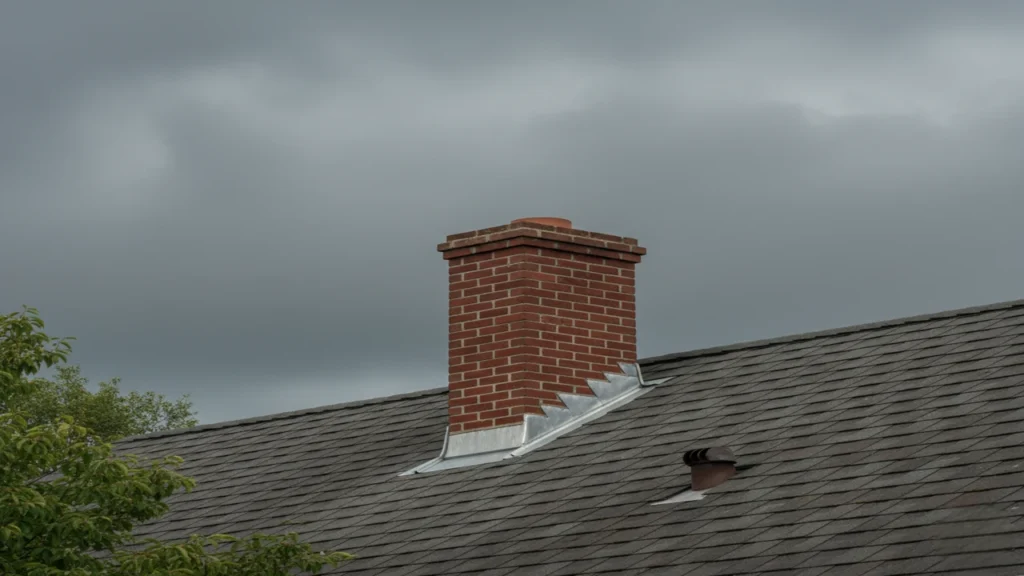
The chimney is one of the hardest spots to seal on a roof. The base of the chimney forms a joint with shingles. Harsh environmental conditions, including rain, snow, and wind, all target this joint. Flashing wraps around the base of the chimney to guard against leaks.
Most flashing around a chimney has two layers:
- Step flashing: small pieces that tuck under shingles and bend up against the chimney.
- Counter flashing: pieces that cover the step flashing and lock into the mortar joints of the chimney.
Together, these parts create a tight barrier against water.
Materials Used for Chimney Flashing
Most flashing is made of:
- Galvanized steel
- Aluminum
- Copper
Copper lasts the longest but costs more. Steel is common but can rust if not coated. Aluminum is light and easy to shape, but not as strong.
Why Chimney Flashing Is Important?
Protects the Roof
A roof works like a shield. Its job is to push rain, snow, and melting ice away from the house. But water is stubborn. It always looks for the smallest gap. The area where the chimney connects to the roof is one of the easiest places for water to slip through.
Flashing works like a guard. It bends and seals into those tricky corners so water cannot sneak in. Without it, every storm becomes a threat. With it, the roof stays strong and dry.
Stops Hidden Damage
The scariest thing about flashing leaks is that you don’t see the problem right away. Water moves slowly but steadily. It slides down beams, soaks insulation, and seeps into walls. By the time you notice a stain inside the house, the damage may already be serious.
Rotten wood, soft roof decking, wet insulation, and mold all start from tiny leaks. Repairs for this hidden damage often cost thousands of dollars. Fixing flashing early is far cheaper and much easier.
Adds to Roof Life
A roof can last decades if it stays dry. Flashing helps make that happen. When flashing does its job, shingles hold up longer. The roof deck stays solid. Nails and fasteners stay strong.
Once water sneaks under shingles, the roof begins to fail faster. Shingles curl, wood weakens, and repairs pile up. Strong flashing acts like an insurance policy for your roof. It adds years of use and saves money in the long run.
Protects the Chimney Itself
Flashing not only saves the roof. It also saves the chimney. When water runs into gaps around the chimney, it can soak into the bricks. Bricks and mortar crumble faster when wet. In winter, trapped water freezes and expands, cracking the chimney even more.
Good flashing keeps the chimney dry. A dry chimney stands tall and lasts for many years without costly rebuilds.
Prevents Interior Damage
A leak near the chimney rarely stays in the attic. Over time, it shows up inside the home. Water can leave yellow stains on ceilings and walls. Paint can peel. Wallpaper can bubble. Floors near the fireplace can even warp.
These signs lower the look and value of a home. No homeowner wants guests to see water stains on the ceiling. Strong flashing protects both the outside and inside of the house.
Saves Energy Costs
Leaky flashing does more than cause stains. It can raise energy bills, too. Wet insulation does not work well. Heat escapes in winter. Cool air leaks out in summer. That means higher energy use and bigger bills.
When flashing keeps water out, insulation stays dry and effective. Homes stay warmer in cold weather and cooler in hot weather. That saves money every month.
Keeps the Home Healthy
Moisture from flashing leaks creates the perfect space for mold and mildew. Mold spreads quickly and gives off a musty smell. For people with asthma or allergies, mold makes breathing harder.
By keeping water out, flashing helps keep indoor air safe and clean. A dry home is a healthy home.
Also Read: What Is Chimney Pointing and Why Is It Important?
Why Does Chimney Flashing Leak?
Even strong flashing can fail. Here are the most common causes:
- Weather Wear: Rain, snow, heat, and wind hit the chimney year after year. Metal expands in the sun and shrinks in the cold. Over time, this movement loosens nails and cracks seals.
- Rust and Corrosion: Steel flashing can rust if it loses its coating. Once rust starts, holes form. Water then seeps through these weak spots.
- Poor Installation: Some flashing leaks right from the start because it was not installed well. If step flashing overlaps are too short, or counter flashing is not set into mortar, water finds a way in.
- Cracked Mortar Joints: Counter flashing locks into the mortar joints of the chimney. If the mortar cracks, flashing loosens. Gaps appear, and water runs behind them.
- Roof Settling or Movement: Homes shift slightly as they age. This movement can pull flashing loose. Shingles around the chimney may also settle and leave gaps.
- Sealant Problems: Many roofers use sealant with flashing. Sealant dries and cracks in the sun. Once it cracks, water enters.
Signs Your Chimney Flashing Leaks
Water Stains on Ceilings or Walls
The most common sign is a brown or yellow stain near the chimney. It may start small, like a faded ring, and slowly spread. Some stains darken after every storm. If you see this, water is getting past the flashing.
Peeling Paint or Bubbling Plaster
Water weakens paint and plaster. When moisture creeps in, paint starts to peel, chip, or bubble. Walls may feel soft to the touch. This often shows up above the fireplace or along the ceiling line.
Damp Smells in the Attic
Not all leaks leave a mark right away. Sometimes the only clue is a damp, musty smell in the attic. Wet wood and insulation hold odor. If your attic smells like mildew after rain, check around the chimney.
Mold Growth Around the Chimney Area
Moisture plus darkness creates the perfect space for mold. Mold may appear as black or green spots on walls, ceilings, or attic wood. Even a small patch of mold means water has been leaking for some time. Mold also spreads quickly, so it should never be ignored.
Visible Rust or Cracks on Flashing Outside
If you look at the chimney from the ground, you may notice flashing that looks rusty, bent, or cracked. Gaps where the flashing meets the chimney or shingles are red flags. Rust spots mean water is already eating through the metal.
Soft or Sagging Ceiling
In severe cases, the ceiling around the chimney may sag or feel soft when touched. This means water has soaked into the drywall or plaster for a long time. At this stage, repairs can become expensive.
Dripping Sounds After Rain
Sometimes you hear the leak before you see it. If you notice dripping or tapping sounds inside the walls or attic after a storm, water may be running in around the chimney.
Higher Heating or Cooling Bills
Wet insulation around the chimney loses its power to keep heat inside during winter or block heat in summer. If you notice higher energy bills without another reason, hidden roof leaks could be the cause.
How to Check Chimney Flashing?
Safety First
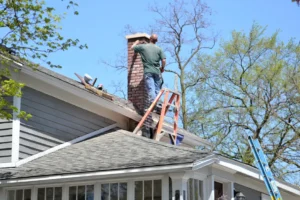
Climbing on a roof is risky. Always use a sturdy ladder. Do not go up if the roof is steep or wet. If unsure, call a roofer.
Visual Check
From the ground, look at the base of the chimney. Can you see metal strips around it? Do they look bent, cracked, or rusty?
Up Close
On the roof, check where flashing meets the shingles. Look for gaps, lifted edges, or missing pieces. Check where the counter flashing meets the mortar. If you see cracks or loose joints, water may be entering.
How to Fix Leaking Chimney Flashing?
You can try quick fixes if your chimney flashing has only small problems. For tiny cracks, you can apply roofing sealant. This will block water for a short time. Another option is waterproof tape, which works well over minor gaps. These fixes do not last long, but they can stop leaks until you arrange a full repair.
When flashing damage is bigger, you need a stronger repair. One method is to replace step flashing. To do this, shingles around the chimney must be removed, new step flashing slid into place, and then the shingles put back. Another option is to install new counter flashing. This involves cutting into the mortar joints of the chimney, fitting the new flashing, and sealing it with fresh mortar. If your old flashing is thin steel, you can also upgrade to copper or heavy-duty aluminum. These materials cost more but last much longer.
Some flashing problems are too big for simple tools or quick fixes. If water damage is heavy or flashing is missing in many spots, it is best to call a roofer for expert chimney repair in Toms River. Chimney flashing is tricky to install the right way. A skilled roofer has the training to do it once and do it well.
How to Prevent Chimney Flashing Leaks?
Regular Inspections: Check flashing twice a year, in spring and fall. Look after storms, too.
Keep Gutters Clean: Clogged gutters let water pool near the chimney. This increases pressure on flashing.
Tuckpointing Mortar: If chimney mortar starts to crumble, fix it. Solid mortar keeps the counter flashing locked in place.
Use Quality Materials: Choose copper or coated steel for longer life. Good flashing can last as long as the roof itself.
Cost of Chimney Flashing Repairs
The cost depends on the size of the chimney, the material, and the extent of damage.
- Small repairs with sealant: $150-$300
- Partial replacement: $500-$1,000
- Full flashing replacement: $1,000-$2,000
If water has caused roof damage, costs rise. That’s why early checks save money.
Need Chimney Repair in Toms River?
Is your chimney flashing or leaking? Do not ignore it and get it repaired immediately. Now the problem is to find the right chimney repair experts right?
At Accurate Duct Cleaning, our chimney repair experts master the art of chimney repair. From chimney flashing to crown repair, they handle everything. Our team is licensed and insured. Whenever you hire us, ensure that your chimney is in expert hands.