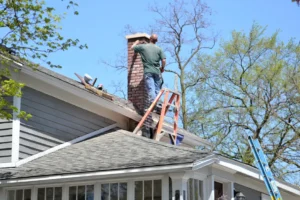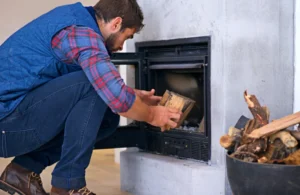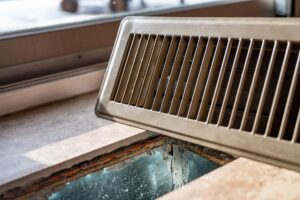
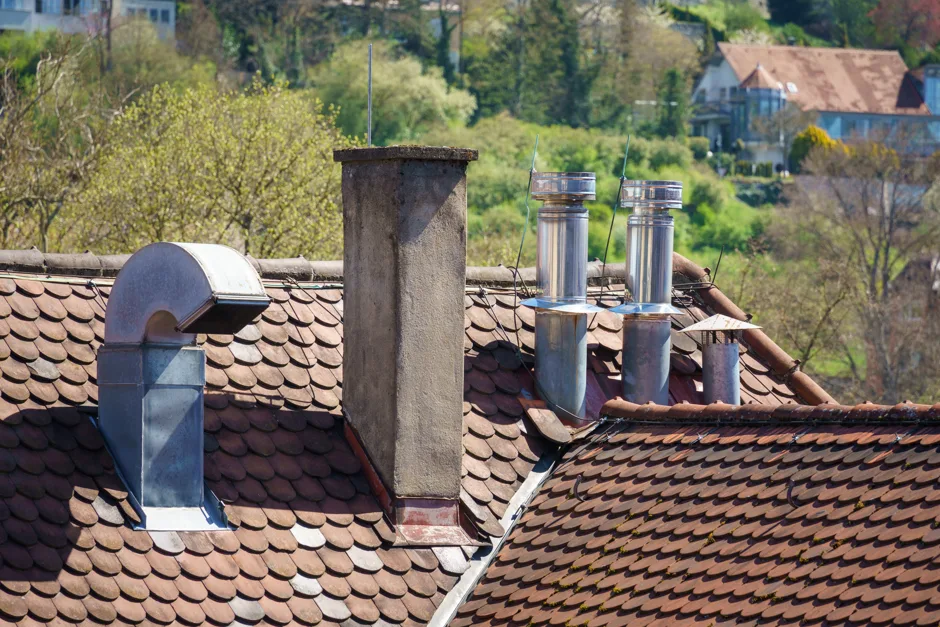
A hairline crack in your chimney crown or a thin coat of soot in the flue looks harmless today. Give it one winter of neglect, and that same spot can turn into a repair bill with four digits on it. This is the quiet math of a chimney. Steady chimney maintenance keeps the small stuff small, while skipping it lets damage grow in the one part of your home you cannot see from the couch.
Why Small Chimney Problems Turn into Big Bills?
A chimney faces heat, smoke, and weather every day it stands, and each of those forces leaves a mark. When you burn wood, the smoke leaves behind creosote, a dark and sticky residue that coats the inside of the flue. A thin layer is normal after a few fires. Left alone across a season, it hardens into a glaze that catches fire at high heat. The National Fire Protection Association has found that failure to clean is the leading factor behind home heating fires, tied to about one in four of them, and that fireplaces or chimneys play a part in roughly three of every ten home heating fires.
You will also feel the smaller effects long before a fire starts. A flue coated with creosote and soot pulls smoke poorly, so the fire burns weaker, the room smells of old smoke, and heat escapes up the chimney instead of warming the house.
Water works slower, yet it does more damage over time. A cracked crown or a missing cap lets rain slip into the masonry. Through a Toms River winter, that trapped water freezes, expands, and pushes the brick apart, a process that leaves the surface flaking and the mortar joints open. Each freeze makes the last crack wider. What began as a small fault you could not see becomes a rebuild you cannot ignore. This is why chimney maintenance matters more than most homeowners expect. The damage builds quietly behind brick and steel, and by the time smoke smells wrong, or a stain shows on the ceiling, the cheap window to fix it has already closed.
What a Professional Chimney Service Includes
A proper service is more than a quick brush and a wave goodbye. Good chimney maintenance follows a set standard, and the national one is clear. Under NFPA 211, the safety code that guides the trade, chimneys, fireplaces, and vents should be inspected at least once a year for soundness, blockages, and correct clearances, with cleaning and repairs done as needed. You can read the homeowner guidance from the Chimney Safety Institute of America, which follows that same yearly rule.
A yearly visit from a certified sweep usually includes these steps:
- A Level 1 inspection of the flue, firebox, damper, and the readily reached parts of the system
- A sweep of the flue when creosote reaches about one eighth of an inch, or sooner when a hard glaze is present
- A check of the chimney cap and crown for cracks, rust, or gaps that let water and animals in
- A look at the flue liner for cracks or splits that can leak heat and gases into your walls
- A check of the flashing where the chimney meets the roof, since this is a common leak point
Each of these steps has a job, and each one catches a specific fault before it spreads. The flashing check matters because a slow roof leak beside the chimney can rot framing and stain ceilings for months before anyone traces it back to the source. A yearly chimney inspection is the part that finds hidden trouble, because cracked liners, moisture damage, and early creosote glaze stay invisible from the living room. The sweep gives you a written record too, which matters later when an insurer asks whether the chimney was cared for.
The Repairs You Avoid by Keeping Up with Maintenance
The clearest way to see the value is to line up what neglect leads to against what a yearly service prevents. Three repair types drive most of the big bills.
Flue Fires and Liner Replacement
Creosote is the main fuel behind chimney fires. When enough of it builds up and the flue runs hot, it can ignite and crack or warp the liner in minutes. A damaged liner is not a small fix, since a full liner replacement runs into the thousands, and the chimney cannot be used safely until it is done. A cracked liner also lets heat reach the wood framing behind the wall, which raises the fire risk in the rest of the house, not only the chimney. A yearly sweep and a thorough chimney cleaning keep creosote below the danger line, so the fire never gets its fuel.
Water Damage, Spalling and Masonry Rebuilds
Once water gets into the brick, the freeze and thaw cycle of a New Jersey winter starts breaking it apart. The face of the brick flakes off, a fault called spalling, and the mortar joints crumble. Spalling starts as small flakes on the surface and spreads each winter until whole sections of brick lose their face. Left for a few seasons, this turns into repointing work or a partial rebuild of the stack, both of which cost far more than the cap or crown seal that would have kept the water out. By the time the stack needs repointing, the fix is measured in days of labor, not minutes.
Blocked Flues and Carbon Monoxide Risk
Birds, squirrels, and leaves find an open flue during the idle months. A nest or a pile of debris blocks the path that smoke and gases need to escape. That blockage can push carbon monoxide back into your home, a danger you cannot see or smell. Headaches, dizziness, and a furnace that keeps stalling can all trace back to a blocked flue. This is the part of neglect that stops being about money and starts being about the people asleep down the hall. A quick check and a fitted chimney cap close that door before anything gets in.
How Often Should You Inspect and Clean Your Chimney?
The short answer holds for almost every home. Have the chimney inspected once a year, even when you light only a handful of fires each winter. Light use does not remove the risk, because animals still nest in the flue during warm months and masonry still ages with the weather. Cleaning runs on a different clock, based on what the inspection finds and how much you burn.
Here is a simple way to gauge your own schedule:
- Once a year for inspection, no matter how often the fireplace runs
- A sweep whenever creosote reaches about one-eighth of an inch on the flue wall
- Twice a season for homes that burn wood most nights through winter
- An extra check after any storm, animal intrusion, or a chimney fire, however small
The kind of wood matters as well. Wet or unseasoned logs throw off far more creosote than dry, seasoned hardwood, so a home that burns green wood needs cleaning sooner. The timing of the visit matters too. Booking your service in late spring or early summer means any repair the sweep finds can be finished long before the first cold night, rather than during the rush when everyone remembers their fireplace at once. Steady chimney maintenance on this rhythm keeps you ahead of both the damage and the calendar.
Do Gas Fireplaces Need the Same Upkeep?
Many homeowners assume a gas fireplace runs clean and needs no attention. That assumption costs money. Gas units produce far less creosote than wood, yet they still send moisture and combustion byproducts up the flue, and over time, those can corrode the liner and eat at the metal. Vents get blocked by debris or nests in the same way, and a cracked or blocked flue on a gas system raises the risk of a carbon monoxide leak into the home.
The rule holds across fuel types. A gas fireplace still needs a yearly inspection of the flue, the venting, and the connections, along with a clearing of any buildup or blockage the technician finds. The fuel changes what the inspector watches for, not how often the check should happen. Skipping it on a gas system trades a small yearly cost for the same hidden damage and safety risk that a neglected wood chimney carries.
Also Read: Level 1 vs. Level 2 vs. Level 3 Chimney Inspections
Annual Chimney Care vs. Expensive Repairs
Look at the two paths side by side, and the case makes itself. A yearly inspection and cleaning are a modest cost, the kind you plan for once and forget. The repairs that neglect invites belong to another category. A liner replacement, a rebuilt crown, or repointing a spalled stack can each run into the thousands, and a serious chimney fire can reach far past that once you count the damage to the surrounding structure.
There is a second cost that catches people off guard. Many home insurance policies expect regular upkeep, and a claim after a chimney fire can be denied when the insurer decides that neglect or skipped maintenance was the cause. The records from your yearly service, the inspection report, and the sweep receipt are what protect you in that moment. Without them, a covered event can turn into a bill you pay alone.
There is a resale angle as well. A documented service history and a sound chimney give a home inspector less to flag when you sell, while a cracked flue found during a sale can stall the deal or trim the price. So the money math is simple. You either spend a little on chimney maintenance each year, or you gamble that the hidden damage will hold off until you get around to it. One path is a planned line in the budget. The other is a surprise that arrives on the coldest week of the year, when repair crews are booked solid, and the quotes climb.
Book Your Chimney Check Before the Cold Sets In
The hardest part of chimney damage is that it stays out of sight until it turns expensive. By the time you smell smoke where you should not, or spot a water stain creeping down the wall, the cheap fix is already gone. You can stay ahead of that, and it starts with one visit before the burning season begins.
At Accurate Duct Cleaning, we handle chimney maintenance for homes across Toms River and Ocean County, working to the same NADCA and NFPA standards that keep the job honest and thorough. Our team inspects the full system, clears creosote and blockages, checks the cap, crown, and liner, and hands you a clear report of what we found. When you want your fireplace ready and your family safe for winter, reach out to our team for an inspection and an honest estimate. The small step now is what saves you the big bill later.