A small bird building a home in your chimney or vent may seem harmless at first. Over a few weeks, though, that pile of twigs, grass, and feathers grows into a solid plug. When that happens, the air your home depends on cannot move the way it should. This is the moment people search for nest removal without knowing how serious a blocked vent can become. This blog explains what a nest does to your airflow, the signs to watch for, and the safe way to clear it.
What Makes Chimneys, Vents and Exhaust Caps Attractive to Birds?
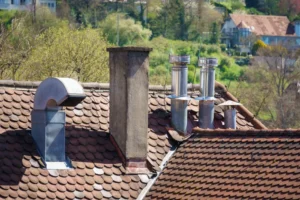
Birds look for warm, sheltered spots to raise their young, and your home gives them plenty of options. A chimney flue feels like a hollow tree. A dryer vent opening on an outside wall makes a cozy pocket. Even your fresh air intake or exhaust caps look inviting to a small bird in spring.
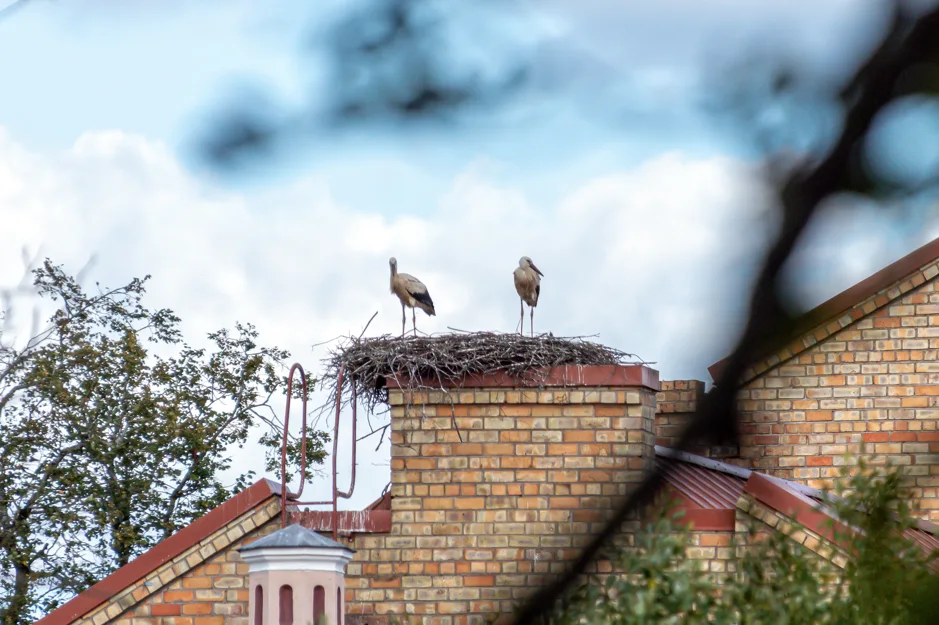
Most nesting happens between early spring and late summer, when birds are active and looking for safe places. Common reasons include chimney swifts, starlings, and house sparrows. Once a bird settles in, it packs the space with dry material that catches and holds even more debris over time. A timely nest removal service clears that buildup before it hardens into a full blockage.
How Bird Nests Stop Airflow?
A nest is a dense mass of dry material, and it sits right in the path your air needs to travel. When it grows large enough, it works like a cork in a bottle. Warm air from your furnace, smoke from your fireplace, and moist air from your dryer all need a clear exit. A nest stops that flow and pushes the trouble back into your living space.
Warning Signs of a Bird Nest Blockage
You will notice the warning signs in everyday ways before you ever see the nest itself. Pay attention if you spot any of these around your home:
- A scratching, chirping, or fluttering sound coming from the walls or chimney
- A smoky smell or smoke pushing back into the room when you light the fireplace
- Your dryer takes two or three cycles to dry one load of clothes
- Rooms feel stuffy, and the heating or cooling system runs longer than usual
- Bits of grass, twigs, or droppings near a vent opening on the outside wall
Any one of these points points to a possible blockage. When two or three show up together, the airflow problem is already affecting your home.
Reason Why Do Birds Settle in Vents and Chimneys
Your home offers heat, shelter from rain, and protection from larger animals, which is everything a nesting bird wants. The warm air rising through a chimney or the lint-lined opening of a dryer vent feels safe and comfortable. These spots also sit high off the ground, away from cats and other predators.
The problem is that a place built for moving air becomes a poor home for a bird, and a poor airflow path for you. The same warmth that draws the bird is the warmth your home is trying to push out. Once the nest fills that gap, your venting system loses the open channel it needs to work.
Also Read: Top Signs Your Chimney Needs Immediate Cleaning
What Problems Can a Blocked Vent Cause?
A nest does more than slow your airflow. It creates safety and health risks that grow the longer the blockage stays in place.
- Carbon monoxide buildup: When a chimney or flue is blocked, gases that should leave your home can drift back inside. Carbon monoxide is colorless and has no smell, and the CDC reports it sends thousands of people to emergency rooms each year.
- Fire risk in your dryer vent: Lint is highly flammable, and a nest traps it against the warm vent. The U.S. Fire Administration links thousands of home fires each year to clogged dryer vents, and a nest makes that risk worse.
- Poor indoor air and bad smells: Droppings, feathers, and decaying material spread odor and allergens through your rooms every time the system runs.
- Higher energy bills: Your furnace, air conditioner, and dryer all work harder against a blockage, which means more power is used, and more money is spent.
- Pests and mites: Birds bring in mites, lice, and other small pests that can move from the nest into your home.
These issues build slowly, so many families live with them for weeks before they connect the dots. By then, the small twig pile had turned into a costly and risky problem.
Is It Safe to Remove a Bird Nest Yourself?
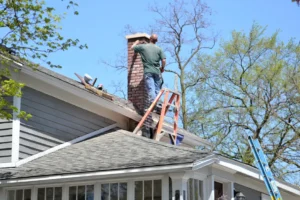
Reaching into a chimney or pulling apart a vent cap may look simple, but it carries more risk than people expect. You could fall from a ladder, breathe in droppings and dust, or push the nest deeper into the system, where it is harder to reach. A partial removal often leaves enough material behind to block the airflow again within days.
There is also a legal side that many homeowners miss. The Migratory Bird Treaty Act protects many bird species in the United States, which means an active nest with eggs or chicks cannot be disturbed without following the rules. A trained technician knows which nests are protected and how to handle the situation the correct way. This is one of the main reasons professional nest removal is the safer path for your home and your family.
How Professionals Clear, Clean and Protect Your Venting System?
A proper service does far more than pull out a clump of twigs. The work follows clear steps so the airflow is fully restored and the problem does not return:
- A full inspection of the chimney, flue, or vent using a camera to find the exact location and size of the nest
- Safe extraction of all nesting material, droppings, and debris from top to bottom
- Cleaning of the inner walls so no lint, soot, or residue stays behind
- A check for any damage the nest caused to the liner, cap, or vent duct
- Installation or repair of a guard or cap to keep birds from coming back
Many people pair their nest removal with a full chimney cleaning so the entire system is clear and safe in one visit. The same applies to vents, where a dryer vent cleaning finishes the job and brings your airflow back to normal.
How to Stop Birds From Coming Back Next Season?
Clearing the nest solves today’s problem, but birds will try the same spot again next season. A few simple steps keep your vents and chimney protected throughout the year:
- Fit a sturdy chimney cap with a mesh screen that blocks birds while letting air pass
- Add a vent cover with a flap that closes when the dryer is not running
- Check your outside vent openings each spring before nesting season starts
- Trim back tree branches that give birds easy access to your roofline
- Book a yearly inspection so a small nest never grows into a full blockage
These small habits cost far less than the repairs and energy waste that come from a blocked system. A quick check each year keeps your home breathing the way it should.
Restore Safe Airflow With Professional Nest Removal
A bird nest will not clear itself, and every day it stays inside your chimney or vent, the airflow gets worse, and the risks climb. The smoke pushing back into your living room, the dryer that never finishes, the strange sounds in your walls at night, these are warnings you should not wait on. A blocked vent puts your family’s air, comfort, and safety on the line, and the longer it sits, the more it costs to fix.
We at Accurate Duct Cleaning handle bird nest removal, chimney cleaning, and dryer vent service for homeowners across Toms River and Ocean County. Our NADCA-trained team uses cameras, proper tools, and safe methods to clear the blockage, restore your airflow, and fit guards that keep birds from returning. If you have noticed any of the signs above at your home, contact us today and let our team check your system before the next season brings a new nest and a bigger bill.