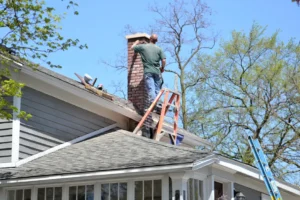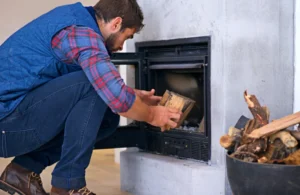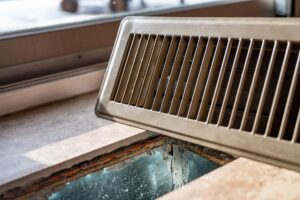
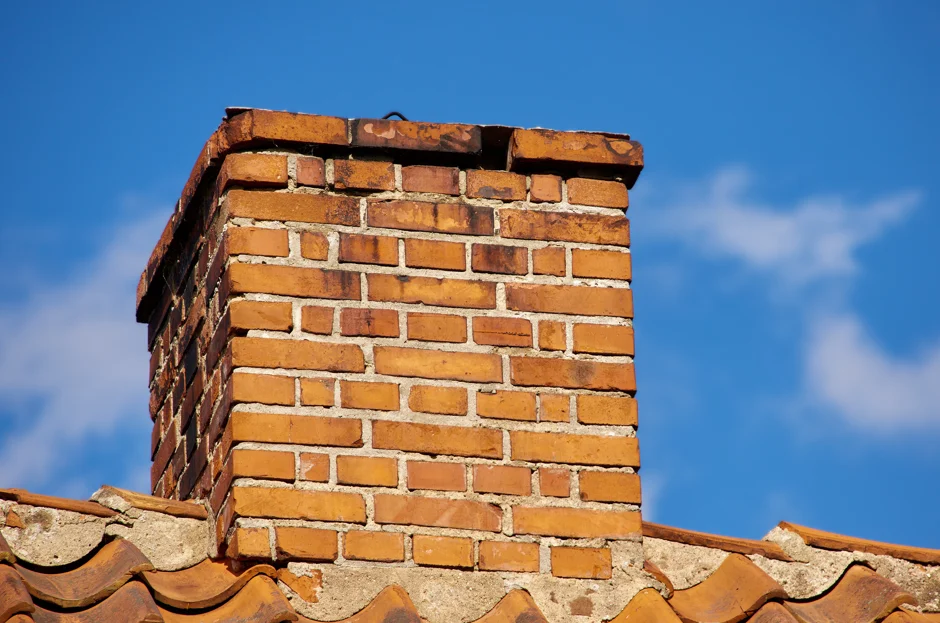
A chimney looks like a quiet part of any building until the day it stops working the way it should. For most homes in Toms River, the chimney stays on the roof for years without much attention, and that is where small issues turn into costly problems. Catching the warning signals early is the key to keeping your property safe and to avoiding fire risks, water damage, and forced shutdowns. This guide walks you through the common signs that point to urgent chimney repair, so you can act before a small crack becomes a much bigger headache.
1. Cracks on the Chimney Crown or Brickwork
The chimney crown is the concrete or stone slab that caps the top of the structure. Cracks here are the first place water finds its way in. Once water gets inside, it freezes and thaws through the cold months of New Jersey winters, and that movement breaks bricks apart from the inside.
You will notice signs like:
- Hairline cracks running across the crown
- Chunks of brick face flaking off, also called spalling
- Gaps where the mortar used to fill the joints between bricks
- Pieces of brick landing in the yard or the parking lot
For buildings with taller stacks, falling brick is a serious liability issue near walkways and loading bays. A timely chimney crown repair can stop water entry before it ruins the flue lining and the smoke shelf below.
2. White Stains on the Outside Bricks
When you see a chalky white film on the bricks, that is called efflorescence. It is the salt left behind after water moves through the masonry. The presence of efflorescence tells you that the chimney is absorbing moisture, and the inner structure may already be soft. Property managers who spot this on commercial buildings should treat it as a clear cue to book an inspection.
3. Rust on the Damper, Firebox, or Smoke Chamber
Metal parts inside the chimney are not meant to get wet. If you open the fireplace or boiler access panel and find rust on the damper or firebox, water is reaching places it should never touch. Rust often points to a failed flue lining or a damaged cap above.
Why does this impact commercial kitchens and Boiler Rooms?
Restaurants with wood-fired ovens and hotels running large boilers depend on dry, sealed flue systems for safe venting. Rust inside a commercial flue means the heated gases are not moving up cleanly, and that can push carbon monoxide back into work areas. A focused chimney repair on the affected lining often solves the issue before it grows into a full liner replacement.
4. Smoke Backing Up Into the Building
A working chimney pulls smoke straight up and out. When smoke starts pushing back into the room, the draft is broken. Reasons can include a blocked flue, a damaged liner, a bird nest, creosote buildup, or a cracked smoke chamber.
For office spaces, hotel lobbies, and restaurants with working fireplaces, smoke entering occupied areas is a fire code violation in most townships, and you will face guest complaints, soot damage on walls and ceilings, and health concerns for staff. Smoke backing up is one of the clearest signs that your chimney needs immediate work.
5. Missing, Bent, or Damaged Chimney Cap
The cap covers the top of the chimney and keeps rain, snow, leaves, birds, and small animals out of the flue. Strong winds, ice storms, and old age can knock the cap loose or break the mesh screen. Without a cap in place, the flue is open to the weather, and water damage builds up fast.
Look for:
- A cap that has tilted to one side
- Gaps between the cap and the flue tile
- Missing wire mesh on the sides
- Nesting material poking out of the top
Property owners who notice any of these should book a cap replacement before the next rainfall. Nest material is also a fire hazard, so the cleaning and chimney repair work often gets paired into one visit.
6. Crumbling or Missing Mortar Joints
The mortar between the bricks holds the whole structure together. When this mortar starts crumbling, the chimney loses stability. Crumbling joints also let water seep deeper into the wall and into the attic or ceiling cavity below.
The fix for this is called pointing or repointing, and it is a basic part of regular chimney repair work. Skipping it for a few seasons can lead to the whole stack tilting, and at that stage, the cost jumps to a full rebuild instead of a small mortar job.
7. Strange Odors Coming From the Fireplace or Flue
Smell is one of the easiest signs for a property owner to catch. A working chimney should not push odors into the building. When you start picking up:
- A sharp, burnt smell from old creosote
- A musty smell from damp brick and water
- A rotten smell from animals stuck in the flue
- A campfire-like odor even when the fireplace is not in use
The flue is asking for attention. Creosote is the hardened black residue from wood burning, and heavy buildup is a top cause of chimney fires. A full cleaning paired with chimney repair on the affected sections will clear the odor and lower the fire risk for the building.
Also Read: Top Signs Your Chimney Needs Immediate Cleaning
8. Tilting, Leaning, or Pulling Away From the Wall
This is the most serious warning sign on the list. A chimney that is pulling away from the building points to a failed foundation or footing under the stack. For two-story commercial properties, a leaning chimney is also a falling-object risk for tenants and customers walking below.
If you see a clear gap between the chimney and the side wall, stop using the fireplace or boiler vent and call for help on the same day. A leaning chimney does not fix itself and almost always points to bigger structural issues that need professional eyes on the problem.
9. Water Stains on Ceilings and Walls Near the Chimney
Water marks in the rooms next to the chimney are a quiet sign that the flashing, crown, or bricks are letting moisture in. For office buildings and apartment complexes, water traveling inside walls can damage drywall, insulation, and electrical wiring far from the chimney itself. A scheduled chimney inspection will pinpoint the entry point so the fix stays small and targeted.
10. Damaged Flue Liner or Visible Tile Pieces
The flue liner protects the surrounding brick from heat and acidic combustion gases. When tile pieces start showing up in the fireplace or at the cleanout door, the liner is failing. A failing liner exposes the surrounding masonry to heat levels it cannot handle, and that is how building fires and structural fires get started.
Commercial boiler chimneys with broken liners also lose efficiency, since heated gases escape sideways through cracks instead of moving up cleanly. Fuel bills rise, and carbon monoxide risk climbs at the same time.
When Should a Property Owner Call for Chimney Repair?
A good rule for both businesses and homeowners in Toms River is to book a yearly inspection before the cold season and to call for chimney repair as soon as any of the signs above show up. Waiting until winter often means longer wait times, higher service fees, and more risk to the building and the people inside it.
For commercial property managers, we suggest pairing the chimney check with the building’s full fire safety review, since insurance companies often ask for proof of yearly chimney service after a claim is filed.
Get Your Chimney Repaired with Accurate Duct Cleaning
A small crack today can mean a closed business, a damaged roof, or a fire tomorrow. The signs are there if you know what to look for, and acting on them early is the cheapest path to a safe and code-compliant building. At Accurate Duct Cleaning, we handle every stage of chimney repair for commercial properties and homes across Toms River and the wider Ocean County area, from minor mortar work to full liner replacement. Reach out through our contact page or call us today, and let our team check your chimney.