You probably don’t think about what’s inside your HVAC system until something goes wrong. But behind that steady stream of warm or cool air is a set of metal coils quietly collecting dust, grease, and whatever else floats through your vents. If left unchecked, those coils turn your HVAC into an overworked, underperforming money pit. Rooms don’t stay comfortable, electricity bills rise, and the air starts to smell off.
Coil cleaning isn’t just another chore; it’s the difference between a system that runs and one that actually works. If you’ve been putting it off or didn’t know it mattered, this is your wake-up call. In the next few minutes, you’ll learn exactly what coil cleaning is, how it affects your comfort, health, and budget, and why skipping it might already be costing you more than you think.
What Is Coil Cleaning?
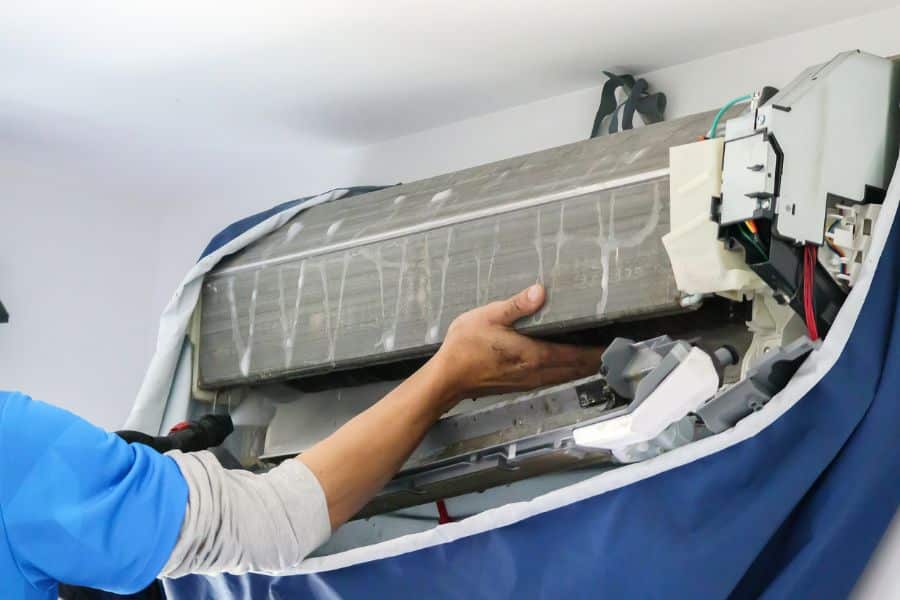
Coil cleaning refers to the process of removing dirt, debris, mold, and other contaminants from the evaporator and condenser coils inside an HVAC system. These coils are responsible for the critical task of heat exchange, absorbing heat indoors via the evaporator and releasing it outdoors via the condenser. When coils are clean, this process is smooth, efficient, and energy-saving. But when they’re coated in grime, everything slows down, heat transfer becomes inefficient, airflow is restricted, and the system is forced to work harder to do the same job.
Cleaning the coils typically involves using compressed air, soft brushes, vacuum suction, or specialized chemical cleaners to safely remove the buildup. It can be done as part of routine maintenance or during seasonal tune-ups by HVAC professionals. In some cases, especially in dusty or greasy environments, more frequent cleanings may be needed to keep the system performing optimally.
Why Coil Cleaning Is Important For HVAC Systems?
HVAC systems are engineered for efficiency, comfort, and longevity, but that balance depends heavily on clean coils. The evaporator and condenser coils are where the magic of heating and cooling happens. They manage the transfer of heat between the indoor and outdoor environments. When these coils are clean—whether in residential cleaning or commercial cleaning settings—your HVAC system runs smoothly, consumes less energy, and keeps your indoor climate consistent. But once those coils accumulate dust, dirt, pollen, mold, or even oily residue, the entire system begins to falter. Here’s why regular coil cleaning is mandatory:
Restores Energy Efficiency and Lowers Utility Bills
Dirty coils disrupt the heat exchange process. The HVAC unit has to run longer and work harder to achieve the same temperature settings, often drawing significantly more power. According to the U.S. Department of Energy, dirty condenser coils can increase energy consumption by up to 30%. That’s not a small bump, it’s a financial bleed that happens silently month after month. Regular coil cleaning restores optimal performance and keeps utility bills in check.
Extends the Lifespan of Your HVAC System
An overworked HVAC system wears out faster. Dirty coils force compressors, motors, and fans to run longer and more intensely than they’re designed to. Over time, this causes unnecessary stress and leads to frequent breakdowns or even full system failures. Coil cleaning reduces mechanical strain, helping your system reach its intended lifespan, often 15 years or more.
Improves Indoor Air Quality
Evaporator coils sit within the indoor unit, where they’re constantly exposed to circulating air. If they’re coated in dust, mold, or bacteria, those particles don’t just stay there, they get blown into your living or working spaces. This can trigger allergies, aggravate asthma, and generally degrade indoor air quality. For households with children, pets, or elderly occupants, clean coils contribute directly to healthier breathing environments.
Prevents System Overheating and Freezing
Surprisingly, dirty coils can cause both overheating and freezing, depending on which coil is affected. A dirty condenser coil can trap heat and cause the system to overheat and shut down. Meanwhile, a clogged evaporator coil can freeze over, blocking airflow and turning your unit into a block of ice. Both conditions require costly service calls and repairs. Coil cleaning helps maintain thermal balance and keeps your system running as it should.
Reduces Emergency Repairs and Downtime
There’s never a good time for an HVAC system to fail, especially in peak summer or winter. But dirty coils are among the top culprits for emergency breakdowns. Routine coil cleaning acts as a preventive measure, reducing the risk of sudden failures, minimizing repair costs, and sparing you the discomfort of an untimely outage.
Also Read: Is Air Duct Cleaning Necessary? Pros, Cons & Expert Advice
Supports Sustainability and Green Building Goals
Energy-efficient HVAC systems are key to sustainable buildings. A clean system consumes less electricity, which reduces your carbon footprint. For commercial facilities aiming to meet LEED standards or improve their ESG profile, routine coil maintenance is a small but impactful step toward greener operations.
Preserves Warranty Coverage
Many HVAC manufacturers require documented maintenance, including coil cleaning, for warranty claims to remain valid. Neglecting this maintenance can give manufacturers a reason to void the warranty if something breaks down. Keeping the coils clean not only protects your system but also your investment in the long run.
Types of HVAC Coils and How They Work
HVAC systems rely on two primary types of coils, evaporator coils and condenser coils, to manage the exchange of heat between the indoor and outdoor environments. These coils are the major part of system’s heating and cooling process. Here is how these coils work:
Evaporator Coil: The Indoor Cooling Specialist
Location: Inside the air handler or attached to the furnace
Function: Absorbs heat and humidity from indoor air
The evaporator coil is responsible for cooling the air inside your home or building. It contains refrigerant that evaporates as it absorbs heat from the air passing over it. As the warm indoor air is pulled in through return ducts, it moves over the cold evaporator coil. The coil extracts the heat and moisture, sending cool, dehumidified air back into the space through supply ducts.
If the evaporator coil becomes clogged with dust, pet hair, mold, or microbial buildup, several problems occur:
- Restricted airflow through the system
- Inefficient cooling
- Potential for coil freeze-ups
- Reduced air quality due to recirculated contaminants
Because this coil sits within the indoor air stream, it’s especially vulnerable to dirt and moisture, and needs frequent inspection and maintenance.
Condenser Coil: The Outdoor Heat Releaser
Location: In the outdoor condenser unit
Function: Releases absorbed heat from inside to the outdoor environment
Once the refrigerant in the evaporator coil absorbs heat, it travels to the condenser coil in the outdoor unit. Here, it goes through compression and releases that captured heat into the outdoor air. A fan in the outdoor unit helps expel this heat more efficiently. This step is essential in completing the refrigeration cycle and preparing the refrigerant to return to the evaporator to repeat the process.
When condenser coils are covered in grime, leaves, or pollution residue:
- Heat cannot escape efficiently, forcing the compressor to overwork
- The system draws more energy to cool your space
- Outdoor unit temperatures rise, risking burnout or total failure
Because condenser coils are exposed to the elements, dust, rain, soot, and even animal debris, they’re especially prone to external buildup and corrosion.
Also Read: Why Air Duct Cleaning Should Be Part of Spring Cleaning
How Often Should HVAC Coils Be Cleaned?
There’s no one-size-fits-all answer to how often HVAC coils should be cleaned. The right frequency depends on several factors, environment, usage patterns, location, and system type. That said, a general rule of thumb is to clean coils at least once a year as part of routine HVAC maintenance. But in many cases, once a year isn’t enough.
Here’s a deeper look at what determines your coil cleaning schedule:
Residential Systems: Once a Year Minimum
For most homes, annual coil cleaning, typically during a spring or fall HVAC tune-up is sufficient. This helps ensure the system runs efficiently throughout the year. But if you live in an area with high pollen, heavy dust, or frequent pet hair and dander, you may need semi-annual cleaning.
Indicators you need more frequent cleaning:
- Reduced airflow from vents
- Musty or dusty smells
- Increased humidity inside
- Unexplained spike in electricity bills
Commercial and Industrial Systems: Quarterly or More
Commercial buildings have higher HVAC loads and often operate year-round. Add in factors like foot traffic, open doors, or indoor pollutants, and the coils are under constant stress. In these environments, coils may need to be cleaned every 3 to 6 months, sometimes even monthly in high-contaminant settings like:
- Restaurants and commercial kitchens
- Warehouses
- Data centers
Environmental Factors That Accelerate Buildup
Even in residential areas, external and indoor conditions can speed up coil contamination. You should consider more frequent cleaning if any of the following apply:
- You live in a dusty or dry climate
- There’s heavy tree cover dropping leaves, pollen, or sap
- Your home is near construction zones, highways, or industrial areas
- You use your HVAC system heavily, year-round
In coastal areas, salt air can also accelerate corrosion, meaning coils need both cleaning and inspection more frequently.
Signs It’s Time to Clean Your Coils Regardless of Schedule
Don’t just rely on the calendar, your HVAC system will often give you signs that coils are dirty:
- Air isn’t as cool or warm as it should be
- The HVAC system runs longer to reach set temperatures
- You hear strange sounds from the system
- Ice forms on evaporator coils or refrigerant lines
- The outdoor condenser is hot to the touch for extended periods
If you notice any of these, schedule a coil inspection even if your last cleaning wasn’t that long ago.
Cost-Benefit Analysis of Coil Cleaning
The Costs of Coil Cleaning
The cost of coil cleaning varies depending on system size, location, accessibility, and frequency. Here’s a rough breakdown:
| Type of Service | Average Cost (USD) |
| Residential coil cleaning | $100 – $300 |
| Commercial HVAC coil cleaning | $300 – $1,500+ |
| Emergency or neglected coil service | Higher, $1,000+ with repairs |
Note: These are estimates. Costs can increase for systems in hard-to-reach locations or with extensive buildup, corrosion, or damage.
The Benefits: Why It Pays Off
| Benefit | Description | Estimated Annual Value* |
| Lower Energy Use | 10–30% efficiency gain | $200–$1,000+ in energy savings |
| Fewer Repairs | Preventive care reduces emergency calls | $300–$2,000+ annually |
| Extended System Life | Adds 3–5+ years to system life | $500–$2,000 in delayed replacements |
| Healthier Air | Cleaner coils reduce mold/allergen circulation | Priceless (but real impact) |
| Warranty Protection | Maintains eligibility for covered repairs | Potential savings: $1,000+ |
Estimated values vary by system size, location, usage, and utility rates.
Why Coil Cleaning Is an Important Part of HVAC Health
A healthy HVAC system isn’t just about good airflow or temperature control. It’s about the condition of what’s happening inside the system, especially the coils. When evaporator and condenser coils are coated in dirt, dust, or grime, they disrupt the entire heating and cooling process. The system works harder, energy bills rise, and key components wear out faster. Dirty coils can even affect indoor air quality, circulating allergens and pollutants throughout your home or building. Regular coil cleaning ensures efficient heat exchange, lowers power consumption, extends system life, and keeps the air you breathe clean. It’s not optional maintenance, it’s essential care.
At Accurate Duct Cleaning, we specialize in professional coil cleaning that restores your system’s performance and protects your investment. Whether you’re maintaining a home or managing a commercial property, our team is equipped to handle the job thoroughly and safely. Contact us today, because clean coils mean a healthier system.