A chimney is an important part of your home for excreting harmful chemicals and smoke from your furnace. It is made strong and durable. Behind its sturdy look, a chimney has a hidden weakness. Over time, the mortar between the bricks wears away. This is when you need a chimney pointing in Toms River.
Many homeowners are unfamiliar with chimney pointing. Some may not even notice that their chimney needs repair. But if left alone, small cracks and gaps in the mortar can turn into big problems. Chimney pointing is not just about looks. It is about safety, structure, and the long life of your home.
In this blog, we’ll explore what chimney pointing means, how it works, and why it matters so much. So, without any delays, let’s start.
What Is Chimney Pointing?
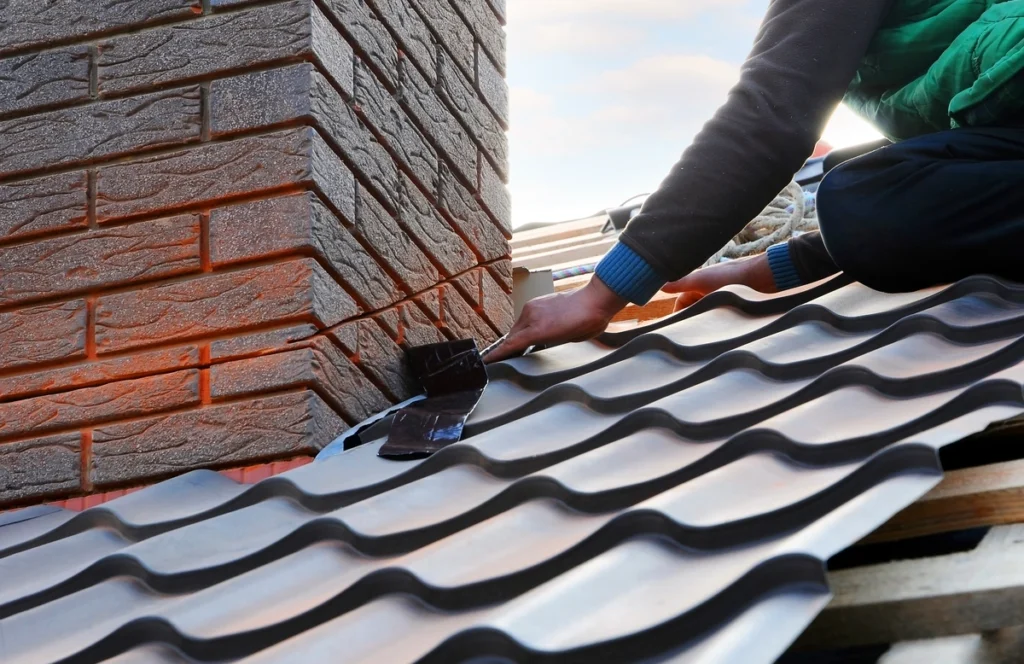
Chimney pointing is the process of repairing the mortar joints in a chimney. The chimney is made of bricks or stones, and mortar holds those bricks together. Over the years, wind, rain, snow, and temperature changes wear down the mortar. When mortar breaks down, gaps form between the bricks.
Pointing is done by removing the old, crumbling mortar and filling in fresh mortar. This seals the gaps and strengthens the structure. The term “pointing” comes from the way the new mortar is applied to the joints. A mason uses tools to press the mortar neatly between the bricks, creating a clean, strong finish.
Without good mortar joints, the bricks can loosen and shift. This weakens the chimney and makes it unsafe. Pointing restores the strength of the chimney and keeps water from entering the gaps.
Why Mortar Wears Down
Mortar is not as strong as the bricks it holds. It is designed to be softer so it can absorb stress and movement. But because of this, mortar wears down faster than brick.
Here are a few reasons why mortar weakens over time:
- Weather: Rainwater seeps into the mortar and freezes in winter. When ice expands, it cracks the mortar. Heat in summer then dries and shrinks it, causing more stress.
- Moisture: Constant dampness causes erosion. Water is the biggest enemy of mortar.
- Wind: Strong winds wear away exposed areas of the chimney.
- Age: Even without harsh weather, old mortar naturally breaks down with time.
- Poor materials or workmanship: If the original mortar mix was weak or applied poorly, it won’t last long.
Because chimneys are tall and exposed, they face more stress than walls lower down. That’s why chimney mortar often crumbles faster.
Signs Your Chimney Needs Pointing
Not sure if your chimney needs pointing? There are clear signs to watch for. If you notice these, it’s time to call a professional:
- Cracks in the mortar: Small lines or gaps running through the joints.
- Loose bricks: Bricks that wiggle or shift when touched.
- Crumbling mortar: Powdery bits of mortar falling from the joints.
- Water stains inside the house: Damp patches on ceilings near the chimney.
- White residue on bricks: This is called efflorescence and shows that moisture is moving through the brickwork.
- Falling debris: Bits of brick or mortar in the fireplace or around the base of the chimney.
Ignoring these signs can lead to serious damage. What starts as a minor crack can end with bricks collapsing.
The Process of Chimney Pointing
Chimney pointing is not just a quick patch-up. It is a careful process done by skilled masons. Here’s how it usually works:
- Inspection: The chimney is checked for damage. A mason looks for cracks, loose bricks, or deeper issues.
- Cleaning: The joints are cleaned of dirt, dust, and old mortar. Tools like chisels or grinders are used. The goal is to make the gap ready for new mortar.
- Mixing mortar: A new mortar mix is prepared. The type of mortar must match the old one. If it’s too hard, it can damage the bricks.
- Applying mortar: The fresh mortar is pressed firmly into the joints. It is applied in layers to fill the gaps completely.
- Shaping the joints: The mason shapes the mortar with special tools to make it smooth and weather-resistant. This step also improves the look of the chimney.
- Curing: The mortar needs time to set. During this time, the chimney may be misted with water to keep it from drying too fast.
The result is a chimney that looks neat, is weather-tight, and can last many more years.
Also Read: What Is Coil Cleaning
Why Chimney Pointing Is Important
You might wonder why pointing matters if the chimney still looks fine. The truth is, the mortar joints do more than just hold bricks together. They keep water out, support the weight of the structure, and protect your home.
Here are the main reasons why chimney pointing is so important:
Prevents Water Damage
Water is the biggest danger to chimneys. When it seeps into cracks, it freezes in winter and breaks the mortar apart. Over time, this leads to leaks inside the house, damp walls, and mold. Pointing seals these cracks and stops water from getting in.
Saves Money
Repairing mortar early costs much less than fixing a collapsed chimney or water-damaged walls. Pointing is a small job compared to rebuilding. Think of it as regular maintenance that avoids big bills later.
Extends Chimney Life
A chimney with good mortar can last for decades. Without pointing, the structure weakens and may need a full rebuild much sooner. Pointing gives your chimney a new lease on life.
Improves Safety
Loose bricks are dangerous. They can fall and cause injury. Worse, a weak chimney can collapse in storms or high winds. Pointing strengthens the structure and keeps it safe.
Maintains Home Value
A well-kept chimney adds to the beauty and value of your home. A neglected one, with cracks and stains, gives a poor impression. Pointing keeps the chimney looking sharp and solid.
Chimney Pointing vs. Repointing
Homeowners often hear the terms pointing and repointing and wonder if they mean the same thing. While they are closely related, there is a clear difference between the two.
Pointing is the process of applying fresh mortar between the bricks when a chimney is first constructed. It seals the joints, strengthens the structure, and gives the chimney a neat look with chimney cleaning service. Good pointing at the start of construction is essential because it keeps water out and ensures the chimney stays stable for many years.
Repointing, on the other hand, is a repair process. Over time, mortar joints begin to crack, crumble, or wash away due to weather and age. Repointing involves removing the damaged mortar and replacing it with new mortar. This strengthens the chimney, stops water from seeping in, and prevents bricks from becoming loose or unstable.
In everyday conversations, people often use the word “pointing” when they are actually talking about repointing. Both terms deal with mortar joints, but pointing happens during construction, while repointing is the maintenance and repair work that keeps an older chimney safe and solid.
How Often Should Chimneys Be Pointed?
There isn’t a strict timeline for when a chimney should be pointed because several factors come into play. The lifespan of mortar depends on the type of materials used, the quality of the original work, and the local weather conditions your chimney faces year after year.
As a general rule, most chimneys may need pointing or repointing every 25 to 30 years. However, if you live in an area with harsh winters, heavy rainfall, or constant temperature changes, you may notice mortar damage much sooner. Freeze-thaw cycles in colder regions, in particular, can wear down mortar joints at a faster pace.
The best way to protect your chimney is through regular inspections. Take a close look at the mortar every couple of years. If you see cracks, crumbling joints, or loose bricks, it’s a sign that pointing or repointing is needed. Small repairs done early are far easier and less costly than waiting until the damage spreads.
By keeping an eye on your chimney and addressing problems promptly, you can extend its life and avoid expensive rebuilds. In short, there’s no set schedule, but vigilance and regular checks are the key.
Can You Do Chimney Pointing Yourself?
Some handy homeowners may wonder if they can repoint a chimney themselves. In theory, yes. But in practice, it is not so simple.
Working on a chimney means climbing ladders and working at heights. It also requires skill to match the mortar type and apply it correctly. If the wrong mortar is used, it can cause more harm than good.
For small garden walls or low brickwork, DIY pointing may be fine. But for chimneys, hiring a professional mason is the safest choice. They have the tools, skills, and safety equipment needed for the job.
What Happens If You Ignore Chimney Pointing?
It’s easy to delay repairs when the chimney doesn’t seem urgent. But the longer you wait, the worse the damage gets. Here’s what can happen if pointing is ignored:
- Bricks loosen and fall, creating hazards.
- Water seeps inside, causing damp ceilings and walls.
- Mold and mildew grow indoors from moisture.
- The chimney leans or collapses.
- Repair costs rise sharply, often requiring full rebuilds.
Ignoring chimney pointing is like ignoring a small roof leak. It starts as a minor issue but can quickly lead to serious damage.
The Cost of Chimney Pointing
The price of chimney pointing depends on a few things: the size and height of your chimney, how much mortar needs to be replaced, and where you live. Homes in areas with higher labor rates or stricter building codes may see higher costs.
On average, homeowners can expect to pay anywhere between $500 and $2,500 for chimney pointing:
- Small chimneys or light repairs: $500–$1,000
- Medium chimneys with moderate mortar damage: $1,000–$1,800
- Large chimneys or extensive repointing work: $1,800–$2,500 or more
While this might sound like a big expense, it’s much cheaper than a full rebuild, which can cost $5,000 to $10,000+ depending on the structure. If water damage spreads into your home because of neglected mortar joints, repairs to ceilings, walls, or fireplaces can make the bill even higher.
That’s why chimney pointing is best seen as an investment. By fixing mortar early, you protect the entire chimney, stop leaks, and avoid future costs. Spending money now can save thousands later while keeping your chimney strong and safe.
How Weather Affects Your Chimney
Different climates affect chimneys in different ways.
- Cold climates: Freeze-thaw cycles are the biggest threat. Water in cracks freezes and expands, breaking mortar apart.
- Wet climates: Constant rain washes out mortar faster.
- Hot climates: High heat dries mortar and makes it brittle.
No matter where you live, your chimney faces the weather more than any other part of your home. That’s why pointing is so vital.
Mortar Wearing Down? Get Chimney Pointing in Toms River Today
Have you noticed cracks or crumbling mortar on your chimney? When this happens, your chimney becomes weak, unsafe, and prone to water leaks. The good news is that you don’t have to wait for costly damage to happen.
At Accurate Duct Cleaning, we provide expert chimney pointing in Toms River to restore your chimney’s strength and appearance. Our team removes the old mortar and applies new, durable mortar. They also seal your chimney against weather damage. This improves the safety and extends your chimney life.
Call us today and get chimney pointing service at the best rates.