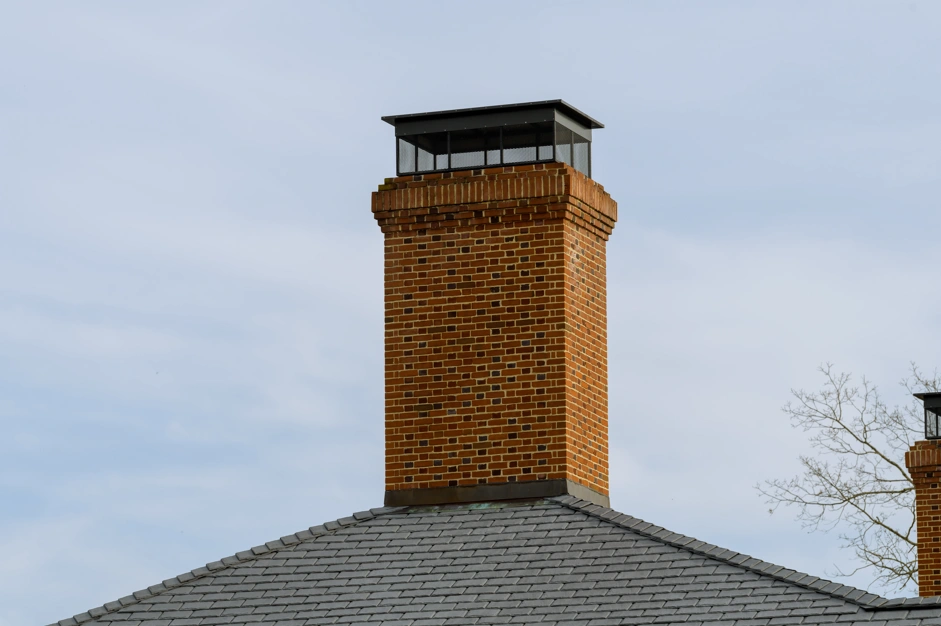
A chimney problem does not happen all of a sudden. It builds up over months, sometimes years, and by the time it becomes visible, the damage is already done. Ignoring chimney warning signs is not just a maintenance issue. It is a safety and liability issue that can shut down operations or cause harm to the people inside the building.
Why Chimney Inspection Gets Pushed to the Back of the List?
Most property owners schedule chimney work after something goes wrong. A fire starts in the flue, carbon monoxide levels rise, or smoke fills a room. At that point, the cost of the problem far exceeds what a scheduled chimney inspection in Toms River would have cost months earlier.
Commercial buildings face this problem on a larger scale. A hotel with multiple fireplaces, a restaurant with a wood-burning feature, or a building with boiler chimneys running through the structure cannot afford to find out there is a problem during an incident. The inspection is what catches the problem before it reaches that point.
According to the National Fire Protection Association, chimneys, fireplaces, and heating equipment are among the leading causes of home and building fires in the United States. A large percentage of those fires are attributed to a failure to clean or inspect the chimney system. That number does not come from properties where the chimney was maintained. It comes from properties where it was not.
Sign 1: Smoke Enters the Room When the Fireplace Is in Use
This is one of the first signs that something in the chimney system is not working the way it should. When smoke from a fireplace or heating unit comes back into the room instead of going up and out, the chimney has a draft problem. Several conditions cause this:
- Creosote or debris buildup that narrows the flue opening
- A blocked chimney cap from bird nests, leaves, or animal activity
- A damaged or closed damper that is not opening properly
- A crack or collapse inside the flue liner that disrupts airflow
For commercial properties, smoke entering a dining area, a lobby, or an occupied room creates an immediate health and safety concern. A chimney inspection in Toms River identifies which of these conditions is causing the draft failure and what the repair requires.
Sign 2: A Persistent Smell Coming From the Fireplace
A fireplace that has not been used in weeks should not be producing a smell. When a property owner or building manager notices a persistent odor near the fireplace or coming through vents connected to the chimney system, it signals contamination inside the flue.
What does the Smell Indicate?
The type of smell gives a clue about the source:
- A smoky or campfire smell that appears when it rains points to creosote inside the flue absorbing moisture
- A musty or damp smell indicates moisture inside the chimney, which creates conditions for mold growth.
- A rotting or organic smell suggests animal or bird activity inside the chimney, including nesting material or deceased animals.
For commercial properties, any persistent odor coming from the chimney system affects the building environment and the experience of everyone inside. This is a sign that a chimney sweep or inspection should happen without delay.
Sign 3: Visible Cracks or Damage on the Chimney Exterior
The outside of the chimney tells a lot about what is happening on the inside. Cracks in the masonry, crumbling mortar joints, spalling bricks where the surface flakes off, or gaps in the chimney crown are all signs of structural deterioration that needs professional assessment.
Water is the main driver of exterior chimney damage in Toms River, New Jersey. The freeze-thaw cycle during winter months forces water that has entered the masonry to expand and contract, which breaks apart the brick and mortar over time. A chimney that shows visible exterior cracking is losing structural integrity, and the damage on the outside is typically matched by deterioration inside the flue that is not visible without an inspection.
For commercial buildings, a chimney with exterior damage creates liability exposure. If masonry falls from a chimney on a commercial property, the consequences are far more serious than a repair bill. Chimney repair after an inspection catches this before the structure reaches that point.
Sign 4: White Staining on the Chimney Exterior
The white powdery residue that appears on brick chimneys is called efflorescence. It forms when water moves through the masonry and carries salts to the surface. When those salts dry, they leave the white stain behind.
Efflorescence on a chimney is a moisture warning. It means water is moving through the chimney structure regularly. That moisture creates conditions for deterioration inside the flue and mold growth in areas where the chimney passes through walls or ceilings. For a commercial building where the chimney runs through multiple floors, moisture penetration at the chimney is a building envelope problem, not just a chimney problem.
A chimney inspection in Toms River at this stage allows the source of the moisture entry to be identified and addressed before the structural damage deepens.
Also Read: Benefits of Dryer Vent Cleaning Services
Sign 5: Rust on the Firebox or Damper
Rust inside the fireplace is a moisture indicator that is often overlooked. When the firebox itself shows rust staining or when the damper plate has corroded, moisture is entering the system from above. The most common causes are a damaged chimney cap, a deteriorated chimney crown, or cracks in the flue liner that allow water to travel down the chimney interior.
A damper that shows rust often does not seal properly anymore. A damper that cannot close fully allows cold air, moisture, and outside air quality issues to enter the building. For commercial properties, this affects HVAC efficiency as the conditioned air inside escapes through the unsealed damper opening.
Sign 6: Damaged or Missing Chimney Cap
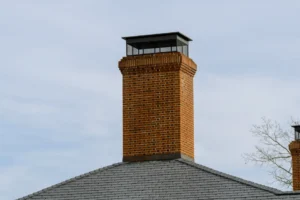
The chimney cap is the metal covering at the top of the flue. Its function is to keep rain, snow, animals, and debris from entering the chimney. A cap that is missing, cracked, or visibly damaged leaves the flue open to all of these entry points.
Without a cap, rain enters the flue directly and accelerates the deterioration of the flue liner, the damper, and the firebox. Birds and small animals enter the flue and build nests that block airflow and create fire hazards. In New Jersey’s climate, a winter without a chimney cap means significant moisture exposure to the entire chimney system.
For commercial properties with multiple chimneys or rooftop HVAC exhaust systems, the condition of all caps and covers needs to be part of a regular inspection cycle. Missing or damaged caps should be treated as an immediate item, not a future maintenance note.
Sign 7: Shaling Inside the Firebox
When pieces of the flue liner break off and fall into the firebox, the process is called shaling. If you look into the firebox and find thin, flat pieces of tile or ceramic material at the bottom, the flue liner is deteriorating.
The flue liner serves a critical function. It contains the heat and combustion gases from the fire and channels them out of the building. When the liner cracks or begins to shatter, combustion gases can escape into the surrounding structure. Carbon monoxide is among those gases, and it is odorless and colorless. A building with a compromised flue liner is circulating carbon monoxide into wall cavities and potentially into occupied spaces.
This sign requires an immediate chimney inspection in Toms River. Shaling does not stop on its own. The deterioration continues, and the risk to the building increases with every use of the fireplace or heating system.
Sign 8: The Chimney Has Not Been Inspected in Over a Year
This sign applies to commercial properties most directly. A chimney that sees regular use and has not had a professional inspection in over 12 months is operating without a current understanding of its condition. The Chimney Safety Institute of America recommends annual inspections for chimneys that are in use, regardless of visible symptoms.
For commercial buildings, the stakes are higher than for a residential home. A restaurant with a wood-burning oven, a hotel with lobby fireplaces, a property with boiler chimney systems serving multiple units, or any commercial space where the chimney is part of regular operations needs an annual inspection as a baseline. Not because something looks wrong, but because the inspection is what confirms whether something is wrong before it becomes visible.
What is a Chimney Inspection Cover?
A professional inspection of a commercial chimney system includes:
- Assessment of the flue liner condition from top to bottom
- Examination of the firebox, damper, and smoke chamber
- Inspection of the chimney crown, cap, and flashing
- Identification of creosote buildup and classification of its stage
- Assessment of any structural cracks or deterioration in the masonry
- Camera inspection of the flue where direct visual access is limited
Sign 9: Recent Severe Weather or a Storm Event
High winds, heavy rain, hail, or a lightning event can cause chimney damage that is not visible from the ground. Storms in the Toms River area during winter and spring months put significant stress on chimney masonry, caps, and crowns. After any severe weather event, a chimney inspection is the responsible step for any property owner or facility manager.
For properties, this is part of the post-storm assessment that any building manager should run. Chimney damage after a storm that goes uninspected creates liability and accelerates into a larger structural repair if moisture enters the system before the damage is addressed.
Chimney Inspection Is a Safety Requirement – Not a Maintenance Option
For property owners and facility managers in Toms River, chimney cleaning and inspection is not a discretionary item. It is a building safety requirement that protects occupants, protects the structure, and protects the business from liability.
At Accurate Duct Cleaning, our team works with commercial property owners, building managers, and homeowners across Toms River on chimney inspections that identify exactly what the system needs before the problem becomes a crisis. If your building shows any of the signs above, or if the chimney has not been inspected this year, contact us to schedule an inspection and get a clear picture of the chimney system’s condition before the next time it is in use.