Workplace odors are one of those problems that nobody talks about openly, but everyone notices. Employees stop taking lunch in the break room. Clients walk into your lobby, and the first impression is a stale, unpleasant smell. No amount of air freshener fixes it because the source is not on the surface. It is inside the duct system running above every ceiling in the building.
Where Workplace Odors Come From and Why It Returns?
Most facility managers and business owners spend money on surface cleaning when the odor complaint comes in. Floors get mopped, trash gets emptied, and restrooms get scrubbed. The smell comes back within hours. That cycle repeats because the duct system is distributing the odor through every room in the building every time the HVAC turns on.
The ducts in a commercial building collect a range of organic and non-organic material over months and years of operation:
- Dust and debris from occupants, carpets, and building materials
- Mold and mildew from moisture that builds up inside the ductwork
- Biological matter, including pest droppings from rodents or insects that enter the system
- Grease particles in buildings with commercial kitchens
- Chemical residue from cleaning products, paint, or renovation work
- Dead organic material that decomposes inside the duct walls
When the HVAC system runs, warm or cool air passes over this accumulated material and carries the odor into every room the duct serves. This is why a smell that starts near one part of a building shows up in offices on the other side of the floor.
Commercial duct cleaning in Toms River addresses this at the source. It does not mask the odor. It removes the material causing it.
Why Commercial Buildings Are More Vulnerable Than Homes?
A residential home has one family, limited foot traffic, and a relatively small duct network. A commercial building is a different situation entirely.
High Occupancy and Continuous HVAC Operation
Office buildings, restaurants, schools, medical facilities, and retail spaces run their HVAC systems for 8 to 12 hours a day or more. The system pulls air from every occupied space, passes it through the ducts, conditions it, and pushes it back out. Every person in the building contributes body heat, moisture, and airborne particles to that cycle. Over weeks, the material accumulates inside the ductwork at a rate far higher than in a home.
Poor indoor air quality in commercial buildings affects occupant comfort, health, and productivity. Odors are one of the most noticeable indicators that the air quality in a space has deteriorated below acceptable levels.
Food Service and Kitchen Operations
Restaurants, cafeterias, and any commercial space with a kitchen present a specific odor problem. Grease vapors from cooking move into the HVAC system and coat the interior of ductwork over time. Grease inside ducts does not just create odor. It also presents a fire hazard. Commercial duct cleaning for food service operations is a maintenance requirement, not just a comfort measure.
Renovation and Construction Activity
Commercial buildings go through renovations more often than residential properties. Construction dust, drywall particles, adhesives, and chemical compounds from new materials enter the duct system during any renovation that does not fully isolate the HVAC. These materials carry odors that persist for weeks or months after the work is complete.
Also Read: How to Choose a Trustworthy Air Duct Cleaning Company?
How Odors Travel Through a Commercial Duct System?
Understanding the path of odors helps explain why the problem is so persistent in commercial spaces.
The return air side of the HVAC system pulls air from every room back toward the air handler. This air carries whatever is in the room, including odors from kitchens, restrooms, storage areas, or any contaminated zone. That air passes through the air handler, picks up additional contaminants from buildup on the coils and blower, and then gets pushed back through the supply ducts into every area the system serves.
This is why a smell from one zone in the building can appear in a completely unrelated area. The duct network connects all spaces. Without cleaning the full system, the odor source remains active and continues distributing through every room.
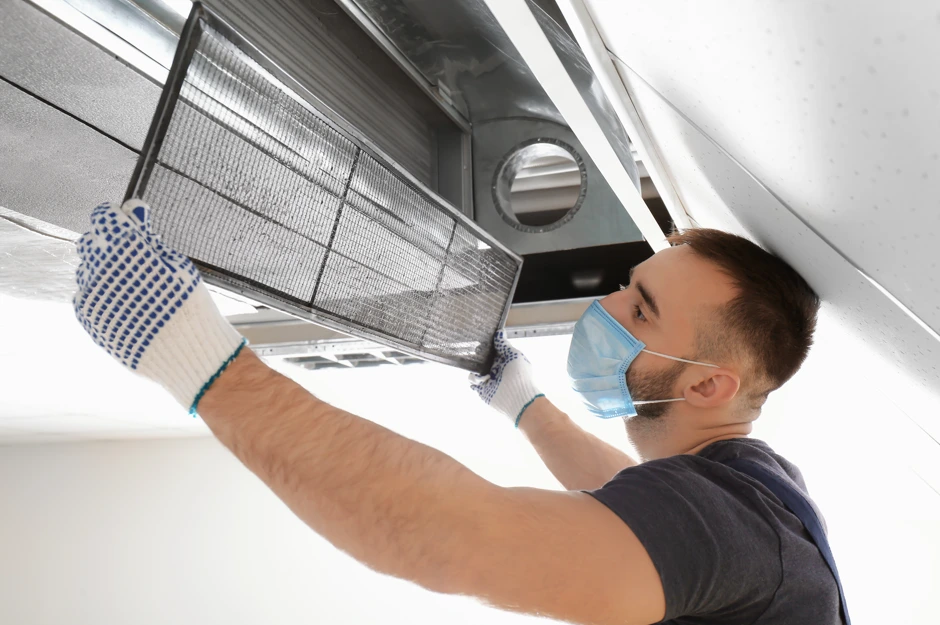
A full commercial duct cleaning in Toms River covers the supply ducts, return ducts, air handler, coils, and all registers. Cleaning only one part of the system leaves the odor sources in place elsewhere.
What Mold Inside Ducts Smells Like and Why It Spreads Fast?
Mold is one of the most common and most complained-about odor sources in commercial duct systems. The smell is often described as musty, damp, or earthy. It appears in buildings where moisture enters the duct system through condensation, roof leaks, or high humidity conditions.
Once mold establishes itself inside the ductwork, every time the system runs, mold spores and the associated odor move through the building. Staff in buildings with mold contamination in the duct system report symptoms including headaches, respiratory irritation, and fatigue. Clients who enter a space with mold odor form an immediate impression that the facility is not maintained.
Mold inside ducts does not go away on its own. It requires physical removal of the contaminated material and, in some cases, treatment of the duct interior surface. Commercial duct cleaning in Toms River that includes mold remediation stops the spread at the source rather than at the surface.
Signs Your Commercial Building Has a Duct Odor Problem
Facility managers and property owners often attribute persistent smells to other causes before identifying the duct system as the source. You will notice these signs when the ductwork is the issue:
- A musty or stale smell that appears whenever the HVAC system turns on
- Odors that are present in multiple rooms without an obvious surface source in any of them
- Complaints from staff or visitors about air quality in specific zones
- A smell that gets worse when the outdoor temperature drops or rises, and the HVAC runs at higher capacity
- Visible dust or debris around supply registers
- A history of water damage, roof leaks, or flooding in the building
Any one of these is a reason to schedule an inspection of the duct system. Multiple signs together indicate a duct problem that has been building up for an extended period.
The Connection Between Coil Condition and Persistent Odors
The evaporator coils inside the air handler are a major contributor to odors in commercial HVAC systems. Coils are responsible for cooling the air that passes through the system. They collect moisture from the air as part of that process. Over time, organic material, including mold, bacteria, and debris, accumulates on the coil surface. The air passing over contaminated coils picks up the odor from that material and carries it through the entire duct network.
Coil cleaning as part of a full commercial HVAC service removes this contamination from the system. Buildings that address duct cleaning without also cleaning the coils will find that odors return faster because the coil surface continues to contaminate the airflow.
How Often Commercial Buildings Need Duct Cleaning for Odor Control?
There is no fixed schedule that applies to every commercial building. The frequency of commercial duct cleaning in Toms River depends on several factors:
- Occupancy type: Medical facilities, restaurants, and schools accumulate contaminants faster than low-occupancy office spaces
- Building age: Older duct systems with more years of accumulated material need more frequent attention
- HVAC usage hours: Buildings that run HVAC around the clock need more frequent cleaning than those with standard business hours
- History of water damage or renovation: These events introduce contaminants that accelerate buildup
As a general baseline, commercial facilities should have their duct systems inspected annually and cleaned based on what the inspection finds. Buildings with known odor problems or high occupancy should not wait for a scheduled interval. The inspection determines the timeline.
The Business Cost of Ignoring Duct Odors
A commercial building with persistent odor problems faces consequences beyond staff discomfort.
Client and Visitor Impressions
A client who walks into an office, a hotel lobby, a retail store, or a medical practice and notices a stale or unpleasant smell forms a judgment about the operation within the first few seconds. That impression is difficult to reverse. For businesses where the physical space is part of the client experience, duct odors are a business problem, not just a maintenance issue.
Staff Productivity and Retention
Research from the EPA on indoor air quality identifies poor air quality as a contributor to reduced work performance and increased absenteeism. Staff who work in spaces with poor air quality report more sick days and lower concentration levels. For a commercial property owner or employer, this has a measurable impact on output.
Compliance in Regulated Industries
Healthcare facilities, food processing operations, and childcare centers operate under air quality regulations that include odor and contamination standards. Failure to maintain the HVAC system, including the ductwork, can result in inspection failures and operational disruption.
Getting Rid of Workplace Odors With Accurate Duct Cleaning
At Accurate Duct Cleaning, we work with commercial property owners, facility managers, and business operators across Toms River and the surrounding area. Our process covers the full duct system, from the air handler through every supply and return line, so the odor source is removed rather than masked. Whether the building needs a full system clean, coil service, or dryer vent cleaning as part of a broader facility maintenance plan, the work starts with an inspection that tells us exactly what the system needs.
If staff or visitors in your building are noticing odors that keep coming back, the duct system is the place to start. Contact us to schedule an inspection and get a clear picture of what is happening inside your HVAC system before the problem costs you more than a cleaning would have.