Not every chimney inspection is the same job. A quick look before winter and a camera scan after a chimney fire sit worlds apart in scope, yet many homeowners book the wrong one and either miss a hidden crack or pay for work they never needed. This guide breaks down the three levels, so you can match your situation to the right service and stop guessing what your home requires.
Why Do Chimney Inspections Have Three Different Levels?
Before the year 2000, a chimney technician decided the scope of each visit on their own. Two sweeps could check the same fireplace and cover different things, which left safety to chance. The National Fire Protection Association fixed that with NFPA 211, the national standard for chimneys, fireplaces, vents, and solid fuel burning appliances. On January 13, 2000, that code turned every chimney inspection into one of three defined levels, and each level now carries a set list of what the technician must examine.
The idea works like a ladder. Each level includes everything from the level below it, then reaches deeper as the risk or the questions grow. NFPA 211 also states that chimneys, fireplaces, and vents should be checked at least once a year, whether you burn wood every night or light the fireplace twice a season. The level you need depends on what changed since the last visit and what the system has been through.
Level 1 Inspection: The Yearly Check Most Homes Need
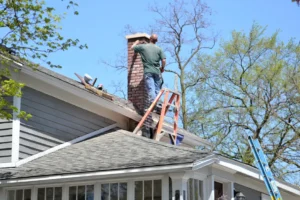
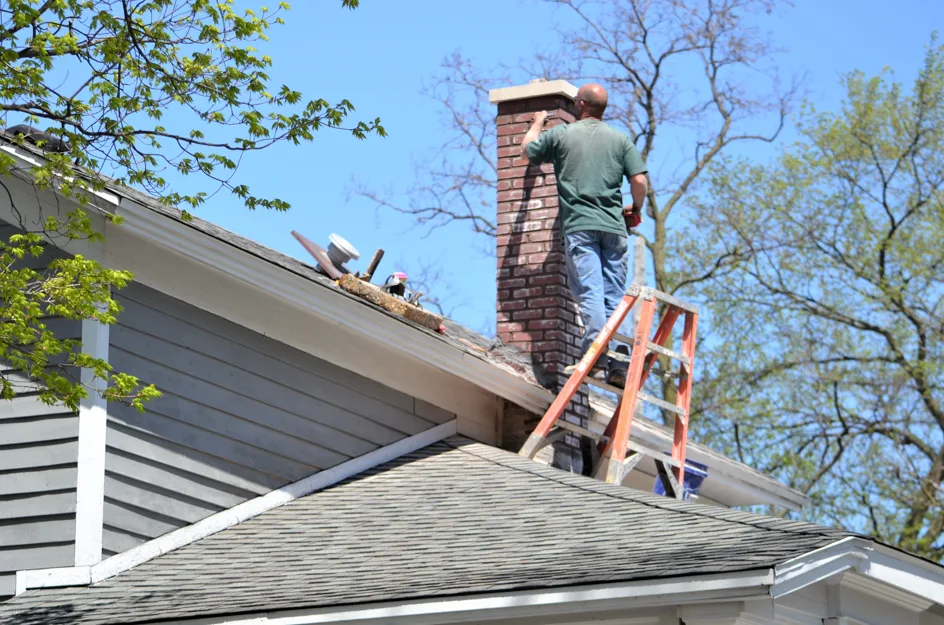
A Level 1 inspection is the baseline, and it fits the largest group of homeowners. When your appliance has not changed, and you plan to use the fireplace the same way you always have, this is the correct call. During a Level 1 visit, a certified technician looks over the readily accessible parts of the chimney, inside and out, along with the reachable parts of the appliance and the connection between them.
The technician is checking a few core things during this pass:
- The basic soundness of the chimney structure and the flue.
- The appliance installation and its connections to the venting system.
- Any obstruction inside the flue, such as debris, animal nests, or creosote buildup.
A Level 1 job runs about 30 to 60 minutes and needs no special tools or camera work. For most families who burn wood seasonally or run a gas insert, one Level 1 visit before the heating season starts is enough to catch buildup, minor wear, and small clearance problems before they grow. This routine check pairs with a chimney cleaning each year, since the technician can spot the creosote that a single spark can turn into a fire. Creosote is the flammable residue that wood smoke leaves behind, and it is the reason the yearly visit is not something to skip.
When Level 1 Is the Right Choice?
You fit the Level 1 group when three things hold true at once. The appliance and the venting system have not changed. You plan to use the system under the same conditions as before. Nothing unusual has happened to the chimney, such as a fire, a storm, or an earthquake. When all three line up, a Level 1 visit answers the safety question without extra cost. The moment one of them breaks, you move up the ladder.
Level 2 Inspection: The Deeper Look with a Camera Scan
A Level 2 inspection covers everything in a Level 1, then adds more reach and a critical extra step. The technician examines the accessible parts of the chimney in the attic, the basement, and any crawl space the chimney passes through. The visit also checks clearances to combustible material in those reachable spots, which means confirming the chimney structure sits a safe distance from wood framing. Loose clearance is a quiet fire risk that a surface glance will miss.
The part that sets Level 2 apart is the video scan. The technician runs a special camera deep into the flue to view the internal surfaces and the joints of every flue liner. That footage shows cracked flue tiles, spalling, gaps in the liner, and blockages that no one can see from the top or the bottom of the chimney. A cracked tile matters because it lets heat pass to the home’s frame, and a slow chimney fire that many owners never notice can leave that exact damage behind. A Level 2 visit runs longer than a Level 1, usually 60 to 90 minutes, since the camera work and the roof or attic access take time. Importantly, this level still needs no demolition, so nothing gets opened or broken to complete it.
Also Read: Top Signs Your Chimney Needs Immediate Cleaning
When Does NFPA 211 Require a Level 2 Inspection?
This is where the rule becomes firm rather than optional. NFPA 211 and the Chimney Safety Institute of America call for a Level 2 inspection in a specific set of moments:
- Buying or selling a home, since the property transfer needs a documented look at the venting system.
- Changing the fuel type, such as switching from wood to gas or adding a pellet stove where an open fireplace used to be.
- Relining the flue or changing the shape or material of the liner, which requires a full interior scan first.
- Adding or replacing an appliance of a different type, size, or efficiency.
- After a chimney fire, a building fire, an earthquake, or a weather event that could have caused hidden damage.
The real estate trigger catches many people off guard. When a buyer, a lender, or a homeowners association asks for an NFPA Level 2 venting inspection, a Level 1 will not satisfy the request. The fuel change trigger matters just as much because a liner built for wood smoke may be wrong for gas, and only the camera scan confirms whether the existing liner suits the new appliance. If the scan turns up a damaged liner, a chimney liner repair or replacement is the usual next step before the system goes back into service.
Level 3 Inspection: The Invasive One for Serious Hazards
A Level 3 inspection is the deepest tier, and it exists for cases where something dangerous hides where no camera can reach. This level includes all the checks from Level 1 and Level 2, then adds the removal of certain parts of the chimney or the building to open up concealed areas. A technician may need to take apart a section of the chimney crown, an interior chimney wall, or a portion of the surrounding structure to see the concealed masonry or the hidden flue.
Level 3 is not a routine service, and no one books it by choice. It gets called when a Level 1 or Level 2 inspection points to a serious risk that cannot be judged any other way. Signs that lead here include suspected structural failure after a major chimney fire, damage from an earthquake or a lightning strike, or clearances that appear unsafe behind a wall. Because the work involves opening the structure, the time and the cost vary based on how much has to come apart. The upside is direct. When a hazard is buried inside the chimney, a Level 3 inspection is the only way to confirm the true condition and decide whether the system can return to safe use.
A Side-by-Side Look at the Three Levels
Sometimes the fastest way to choose is to line the levels up next to each other:
- Level 1 covers readily accessible areas with a visual check, fits routine yearly service when nothing has changed, and takes about 30 to 60 minutes.
- Level 2 adds attic, basement, and crawl space access plus a flue video scan, and it is required for home sales, fuel changes, relining, new appliances, and after fires or storms.
- Level 3 adds the removal of building or chimney parts to reach concealed areas, and it is reserved for suspected serious structural damage.
Reading down that list, most homeowners land on Level 1 for the annual visit, step up to Level 2 at a sale or a system change, and reach Level 3 only when a lower level uncovers a buried problem. Matching the moment to the level keeps you from overpaying and from missing a hazard at the same time.
What a Skipped or Wrong-Level Inspection Costs You?
The stakes here are not abstract. Chimney fires and carbon monoxide leaks are often invisible to an untrained eye, and they build quietly while a home feels fine. Creosote gathers with every wood fire, a liner cracks after a hot burn, and a nest blocks the draft, all without a warning sign in the living room. NFPA 211 is also widely adopted by building codes, fire departments, and insurance companies, so skipping the yearly check or using the wrong level can lead to denied claims or added liability if an incident happens later.
Cost is the other pain point. A small crack found during a routine visit is a minor repair. That same crack, left to spread through freeze and thaw cycles, turns into a major masonry job or a full reline. Booking a Level 1 when a home sale demands a Level 2 can stall your closing, and using a surface check after a chimney fire can send you back into a damaged system that should never have been relit. Choosing the right level is the cheapest insurance you will buy all winter.
How Often Should You Schedule an Inspection?
Once a year is the standard from both the NFPA and the CSIA, ideally before the heating season begins. Even a fireplace you rarely use still needs the annual look, because obstructions, moisture damage, and clearance issues develop whether you light a fire or not. In colder regions with heavy freeze and thaw swings, that yearly visit matters more, since older masonry breaks down faster and small issues compound within a single season. Regular chimney maintenance between inspections keeps the system sound and lowers the odds that a routine check turns into a costly surprise.
Book the Right Chimney Inspection Before the Cold Sets In
Every winter, you run the fireplace on an unchecked chimney is a gamble with your family under the same roof. A hidden crack, a creosote layer, or a blocked flue will not announce itself until smoke backs up or a fire starts behind the wall, and by then, the fix costs far more than the check would have. The right level at the right time is what stands between a warm, safe home and a hazard you never saw coming.
We are Accurate Duct Cleaning, a NADCA-guided team serving Toms River and the surrounding areas of New Jersey. Our certified technicians handle Level 1, Level 2, and Level 3 chimney work, from the yearly visual check to the video flue scan and the deeper structural evaluation, along with the cleaning, relining, and repairs that follow when a problem shows up. We match the inspection to your situation, so you pay for what your chimney needs and nothing beyond it.
Waiting until the first cold snap only crowds the schedule and raises the risk. Reach out to us today, tell us about your fireplace and what has changed since last year, and let us set you up with the right inspection to keep your home safe through the season.